Top Ski Resorts Near Tokyo: Best Skiing in Japan
Tokyo sits closer to world-class snow than most travelers expect. Hop on a train and in two to four hours you can trade skyscrapers for some of the best powder on earth. Some resorts are close enough for a single day trip. Others are worth a longer stay. Here is a straight rundown of where to go, when to go, and how to get there.
Why Ski Near Tokyo
You get real mountains without a long-haul flight. Bullet trains connect the city to the slopes, so you can ski in the morning and be back in Tokyo for dinner if you want. The resorts near Tokyo cover every skill level, and most offer English-speaking lessons, onsen hot springs, and solid food. You get the mountains and the city, both in the same trip.
Big mountain views within a few hours of the capital
Fast, reliable transport by train, bus, or car
English-speaking instructors at many resorts
Onsen hot springs to soak in after a day on snow
Options for total beginners through advanced riders
When Is the Best Time to Go
The season runs roughly December through April. January and February bring the deepest, most reliable snow. Early December is quieter but the base can be thin. Late March into April is sunnier and less crowded, though the snow softens up.
Best snow: January to February
Fewer crowds: early December and late March
Better rates: outside the January-February peak
How to Get to Ski Resorts from Tokyo
The Shinkansen (bullet train) is the fastest way to most resorts near Tokyo, usually paired with a local train or bus for the final stretch. If you are visiting multiple places in the Kanto region, the JR Tokyo Wide Pass covers unlimited rides on JR East lines for three days and often pays for itself — see our Tokyo to GALA Yuzawa Day Trip Guide for a full walkthrough of how it works.
Shinkansen + local transfer: the fastest option for almost every resort on this list
Express bus: slower but cheaper, and sometimes runs direct from Tokyo
Rental car: best if you want to move between resorts on your own schedule
Top Ski Resorts Near Tokyo
Every resort below is reachable from Tokyo in half a day or less. Here is what makes each one worth the trip.
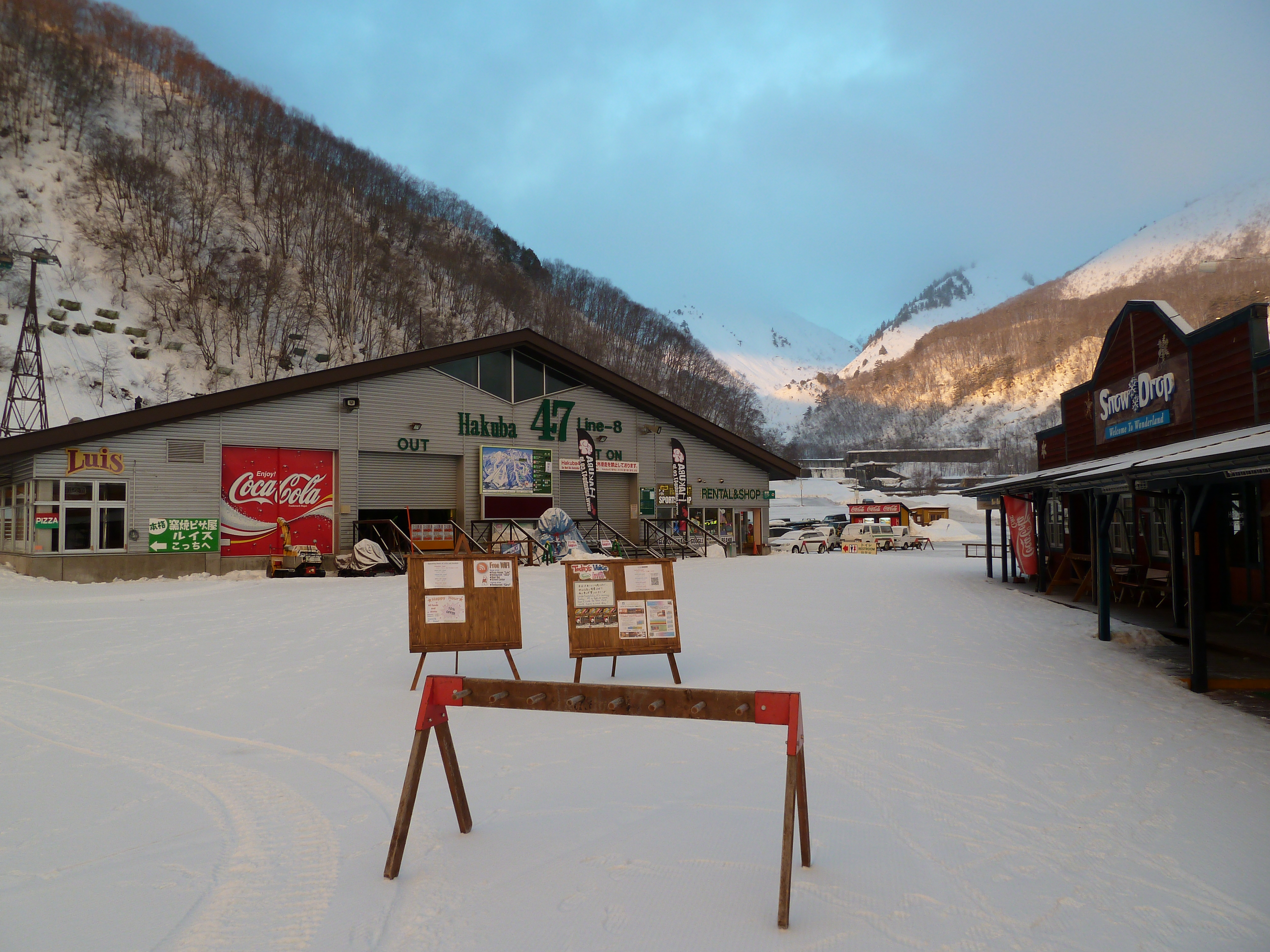
Hakuba Valley
Travel time: about 3 to 3.5 hours by Shinkansen and bus.
Hakuba hosted the alpine skiing, ski jumping, and Nordic combined events at the 1998 Nagano Winter Olympics, and it still has the terrain to show for it. Ten interconnected resorts spread across the valley, from gentle beginner runs to serious steeps. It is one of the biggest, most varied ski areas in Japan.
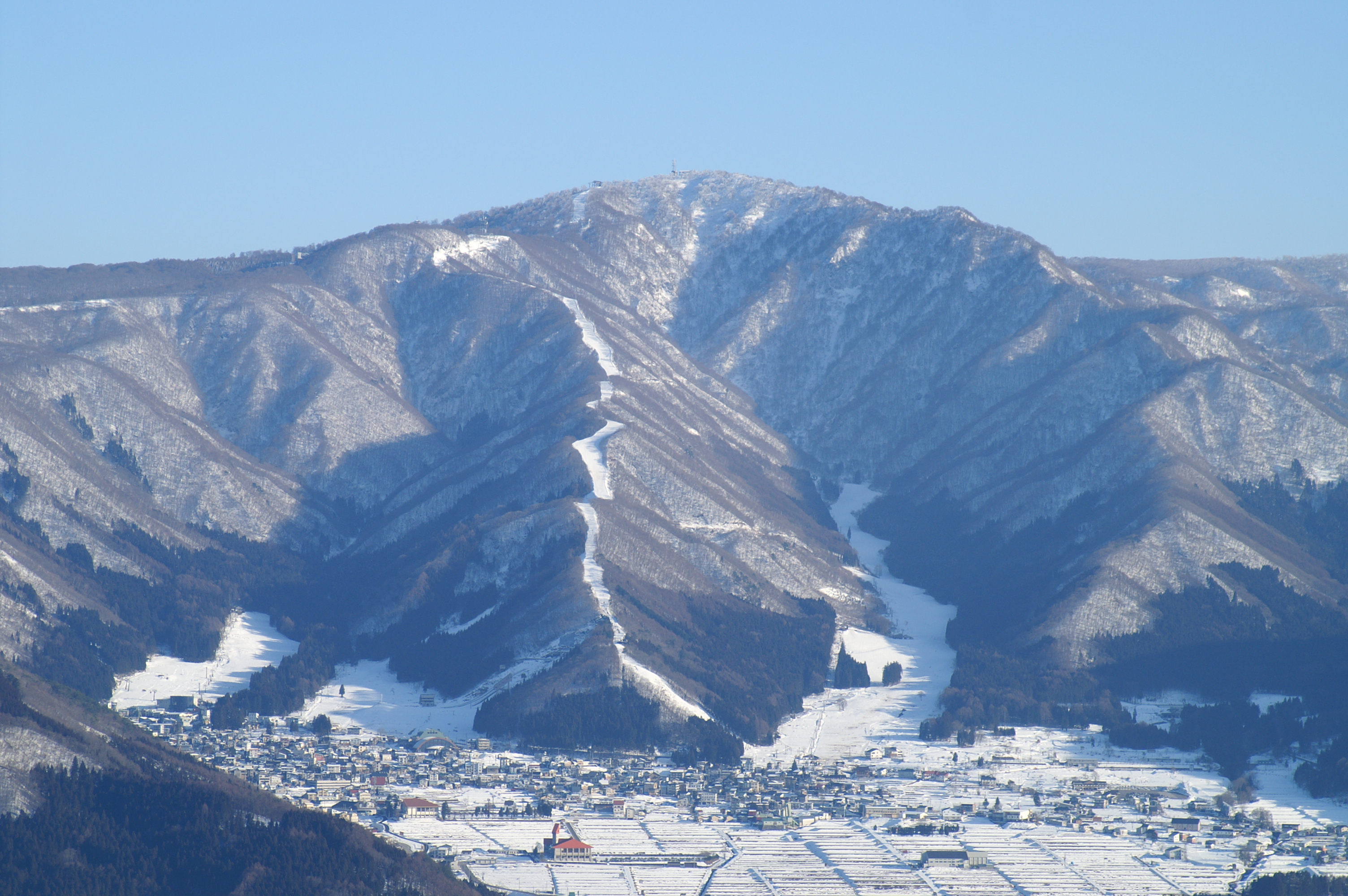
Nozawa Onsen
Travel time: about 2.5 to 3 hours by Shinkansen and bus.
Nozawa Onsen pairs proper skiing with one of Japan’s best hot spring villages. Wide, varied terrain suits families and thrill-seekers alike, and after a day on the mountain you can walk straight into a free public bathhouse in the village. Canyons runs an official ski school in Nozawa Onsen, with English-speaking group and private lessons for all ages.
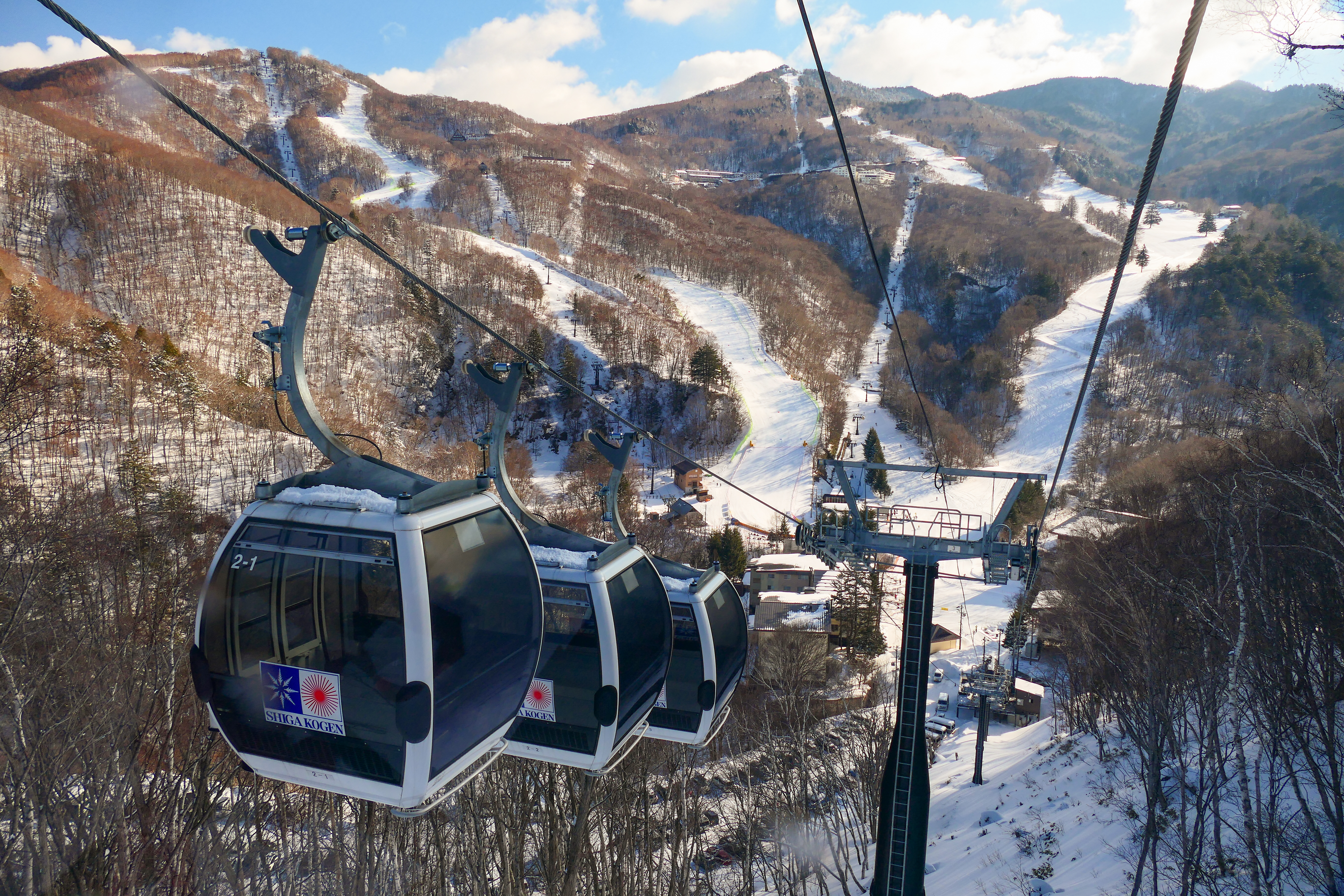
Shiga Kogen
Travel time: about 3.5 hours by Shinkansen, local train, and bus.
Shiga Kogen is Japan’s largest ski area — 18 interconnected resorts under a single lift ticket, and one of the venues for the 1998 Nagano Olympics’ technical alpine skiing events. The scale alone makes it worth the trip, and the terrain covers everything from wide beginner slopes to genuine backcountry. See our Ultimate Shiga Kogen Guide for the full breakdown, or book lessons directly through Shiga Kogen Ski School.
Yuzawa
Travel time: about 75 to 90 minutes by Shinkansen — the closest major ski region to Tokyo.
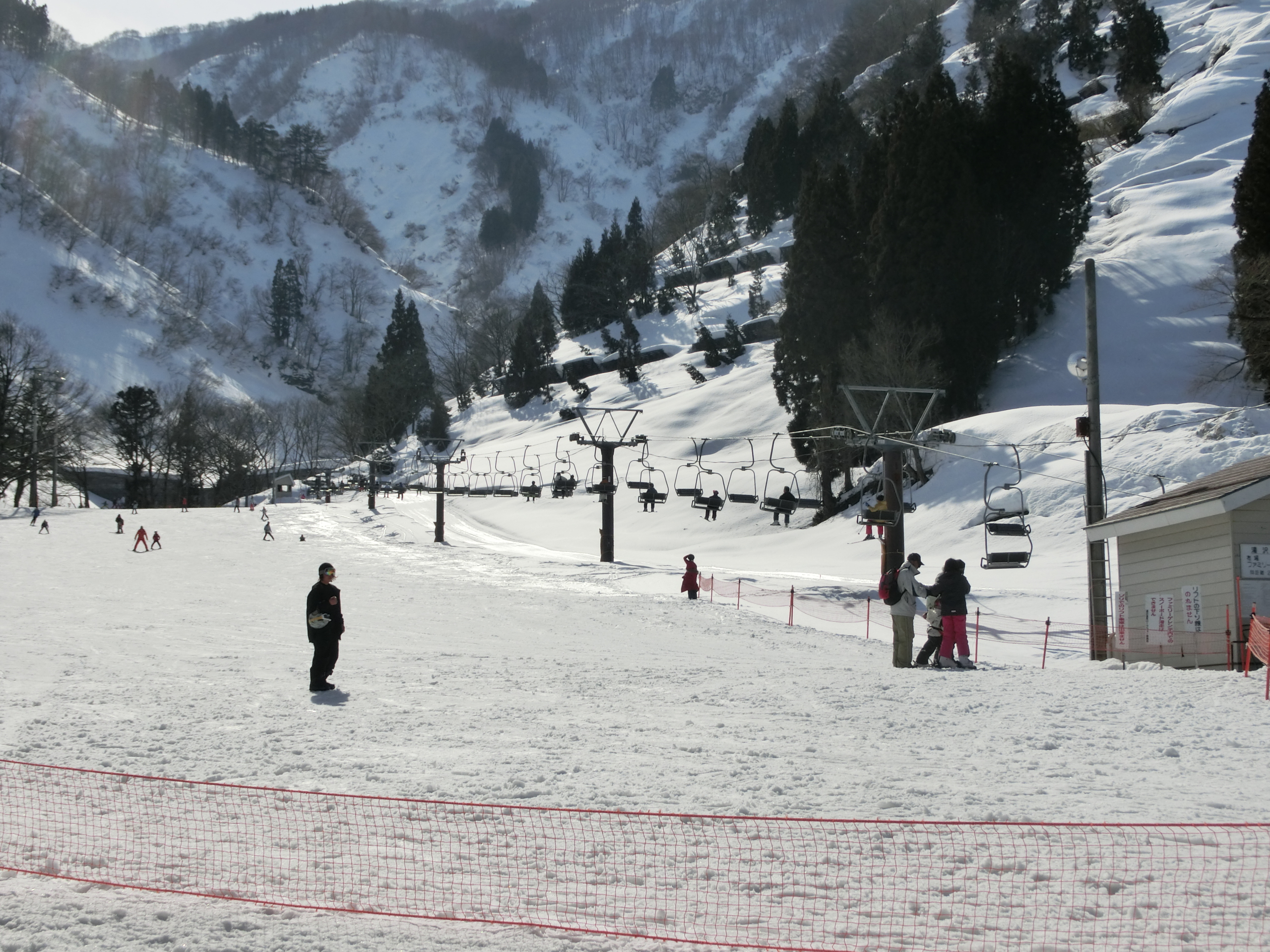
Yuzawa is the easiest ski trip you can make from Tokyo. GALA Yuzawa has its own Shinkansen station, and around a dozen resorts sit within a short bus ride of Echigo-Yuzawa Station, including Ishiuchi Maruyama, NASPA Ski Garden, Kagura, and Naeba. It works equally well as a day trip or a multi-day base. See our full Yuzawa Ski Resorts Guide and Echigo-Yuzawa Station Guide for the details.
Myoko Kogen
Travel time: about 3 hours by Shinkansen and local train.
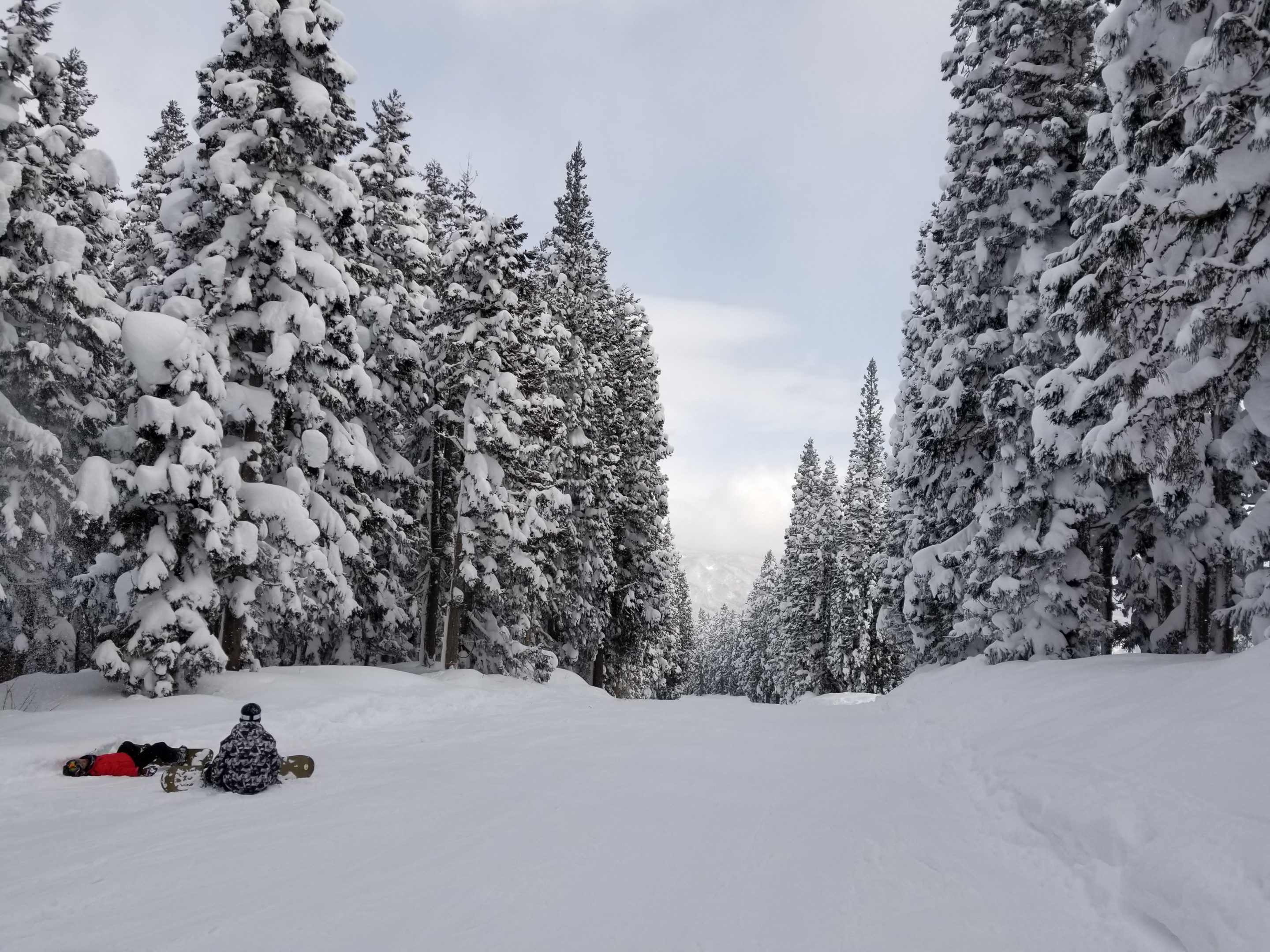
Myoko is a powder hunter’s resort. It gets some of the heaviest snowfall in Japan, and the area splits across several distinct ski zones — Akakura Onsen, Akakura Kanko, Suginohara, and Ikenotaira — each with its own character. See our Top Ski Resorts in Myoko Japan guide for a closer look, or book through Canyons Myoko Snowsports for English-speaking private lessons.
Other Notable Resorts Near Tokyo
A few more places worth knowing about if you want to go beyond the big names:
Minakami: Canyons’ home base, and a genuine alternative to the bigger tourist hubs. Resort skiing at Hodaigi, Minakami Kogen, and Kawaba covers everything from family-friendly slopes to freeride terrain, plus guided backcountry touring on Mt. Tanigawadake for experienced riders. See our Location Spotlight: Minakami for more.
Karuizawa: a compact resort attached to an outlet shopping mall — good for a half-day of skiing paired with a half-day of shopping.
Zao Onsen: famous for its "snow monsters" — frost-covered trees along the upper slopes — plus a long-standing onsen town at the base.
What to Expect: Facilities, Rentals & Lessons
Most resorts near Tokyo have modern lodges, restaurants, and rental counters, so you don’t need to bring much beyond warm layers. English-speaking lessons are common at the bigger resorts, and Canyons runs certified instruction at Nozawa Onsen, Shiga Kogen, Myoko, and across the Yuzawa and Minakami area.
If you’d rather not travel with your own gear, Pure Joy Rentals delivers modern ski and snowboard equipment straight to your hotel in the Yuzawa area — one less thing to carry through the station.
Onsen, Food & Culture
Skiing is only half the trip. Onsen hot springs are a core part of the experience at almost every resort on this list, especially Nozawa Onsen and Yuzawa, both historic hot spring towns in their own right. Pair that with local food — hearty mountain cooking, fresh Niigata rice and sake, or a bowl of soba after a cold day — and you get a trip that is as much about culture as it is about snow.
Tips for Planning Your Trip
Book early: accommodation near popular resorts fills up fast in January and February.
Reserve lessons ahead: English-speaking instructors are in high demand during peak weeks and holidays.
Check the calendar: Japanese and Chinese New Year holidays bring the biggest crowds — plan around them if you can.
Pack for variable weather: conditions can shift fast, especially in the mountains.
Ski Resorts Near Tokyo FAQ
What is the closest ski resort to Tokyo?
GALA Yuzawa, with its own Shinkansen station about 75 to 90 minutes from Tokyo. It is the easiest resort in Japan to reach without a car or an overnight stay.
Do I need to speak Japanese to ski near Tokyo?
No. Most major resorts have English signage, and Canyons runs certified English-speaking lessons at Nozawa Onsen, Shiga Kogen, Myoko, and the Yuzawa and Minakami area.
Can I do a ski day trip from Tokyo without staying overnight?
Yes, especially at GALA Yuzawa, which is close enough for a full day on snow with time to spare before your evening train back.
Which resort near Tokyo is best for beginners?
Yuzawa and Nozawa Onsen both have wide, gentle beginner terrain and readily available English-speaking lessons, making them a safe first choice.
Canyons Insider Tips
Only have one day? Go to Yuzawa. Nowhere else near Tokyo gets you on snow this fast with this little planning.
Chasing deep powder? Myoko and Shiga Kogen see some of the heaviest snowfall in the region — worth the extra travel time.
Traveling with a mixed-ability group? Shiga Kogen’s 18 connected areas make it easy for everyone to find their own pace without splitting up for the day.
Related Guides
For more detail on specific regions, see our Yuzawa Ski Resorts Guide, Ultimate Shiga Kogen Guide, Top Ski Resorts in Myoko Japan, and Location Spotlight: Minakami. Ready to book lessons anywhere across our network? Visit Canyons Snowsports School.
About the Author
Mike Harris has spent over three decades in Japan’s ski and outdoor industry as a guide, tour operator, and writer. He currently serves as Chief Refreshing Officer at Canyons, Kodo Travel, and Outdoor Japan, and is passionate about sustainable tourism across rural Japan.