Kagura Ski Resort Guide | Canyons Japan
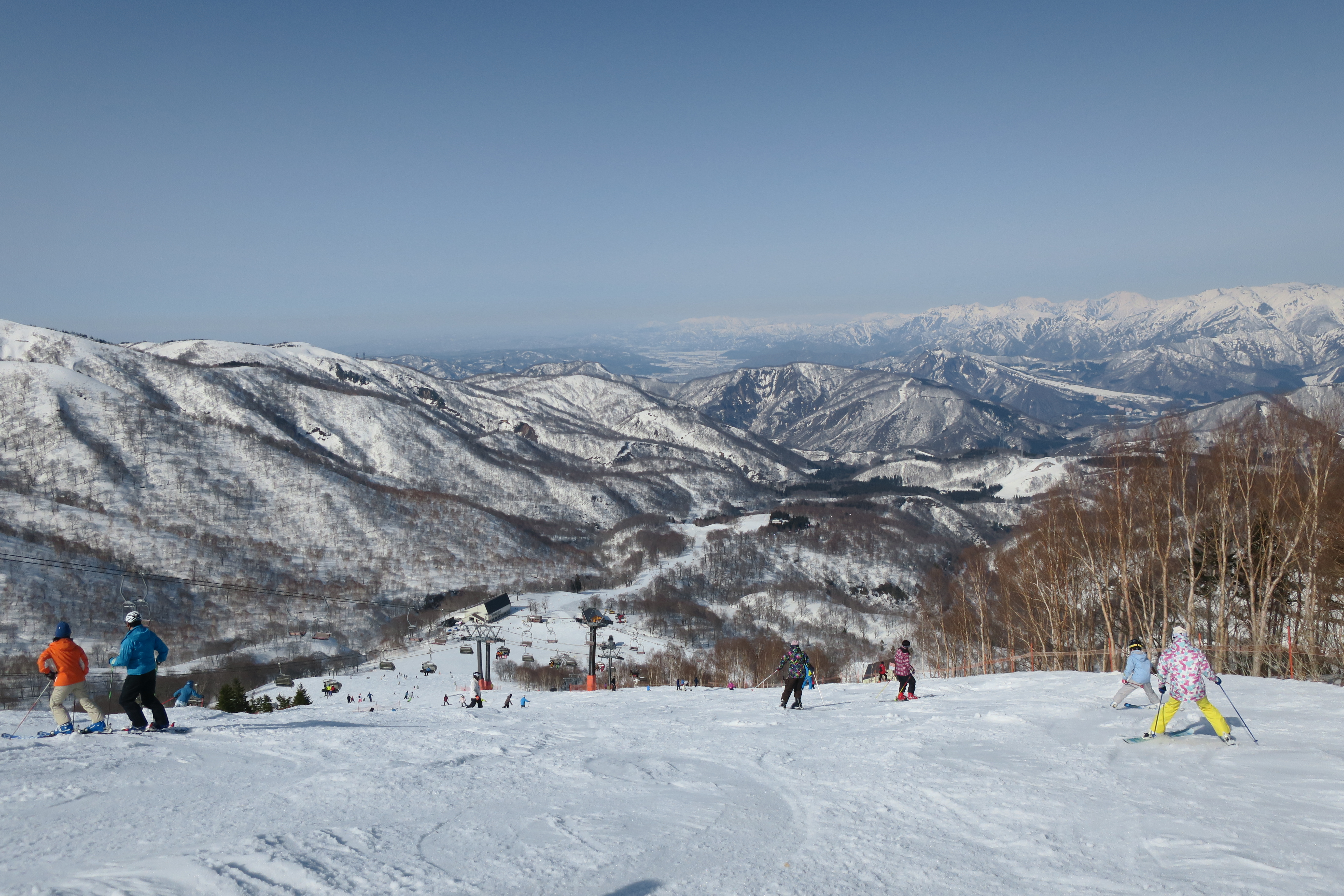
Kagura is the go-to resort in the Yuzawa area for intermediate and advanced riders chasing deep, untouched snow. Sitting at a higher elevation than its neighbours, it holds snow later into the season than almost anywhere else nearby — some years the lifts are still running well into May.
Canyons runs private lessons and powder guiding at Kagura for intermediate and advanced riders looking to progress off-piste.
Who Kagura Suits Best
Kagura rewards riders who have moved past the beginner stage and want terrain that actually pushes them — deeper snow, longer runs, and more variety across a bigger mountain than the smaller resorts nearby. It also suits anyone planning a late-season trip, since a longer window of reliable snow than most of the region gives you options when other resorts are already closing down for spring.
Three Areas, One Resort: Kagura, Mitsumata & Tashiro
What people call "Kagura" is really three connected ski areas — Kagura, Mitsumata, and Tashiro — linked by gondolas and lifts across the mountain. Tashiro tends to suit beginners and families best, Mitsumata sits in the middle, and the Kagura area itself holds the steeper, more advanced terrain further up the mountain. Because the three areas are connected, you can start gentle and work your way up without changing resorts.
Getting to Kagura
Unlike Gala Yuzawa, Kagura does not have its own shinkansen station — you will take the Joetsu Shinkansen to Echigo-Yuzawa Station and then a resort shuttle bus for the rest of the way. Factor in a bit more travel time than a direct-to-station resort, but it is a straightforward transfer, not a complicated one.
Why Kagura Holds Snow So Long
Kagura’s higher elevation and northerly aspect mean it keeps a deeper base for longer than most resorts in the Yuzawa area, which is why its season regularly extends into late April or May while lower resorts are already closing up. If you are planning a late-season trip when other options are running out of snow, Kagura is usually the safest bet in the region.
Lift Tickets & Season
Kagura’s main season typically runs from December through late April or into May, longer than almost any other resort in the immediate area. Tickets often cover access to all three connected areas rather than being sold separately, and the resort frequently offers a spring pass once the low-elevation neighbours have already closed for the year.
Facilities & Dining
Each of the three areas has its own base facilities — rentals, lockers, and food — so you don’t need to trek back to a single central building between runs. Tashiro’s base tends to be the busiest with families, while Kagura’s upper base serves the more committed riders heading into steeper terrain.
Kagura FAQ
Is Kagura good for beginners?
The Tashiro area is genuinely beginner-friendly, with gentle groomed runs. The Kagura area itself, further up the mountain, is better suited to intermediates and advanced riders.
How late into the season does Kagura stay open?
Often into late April or May, depending on snowfall that year — significantly longer than most nearby resorts, which is Kagura’s biggest single advantage for late-season trip planning.
Do I need a car to get to Kagura?
No — a resort shuttle bus runs from Echigo-Yuzawa Station, though the transfer takes longer than resorts with direct shinkansen or ropeway access.
Can beginners and advanced riders ski Kagura together?
Yes, thanks to the three connected areas — beginners can stay around Tashiro and Mitsumata while more advanced members of the group head further up, and everyone can regroup at a shared base.
Backcountry & Powder Terrain
For riders who want to go further off-piste, our dedicated Kagura backcountry powder guide covers guided touring and off-piste lines in more depth. This general guide covers the resort as a whole; that one is built specifically for backcountry-focused visitors.
Lessons & Guiding at Kagura with Canyons
Canyons instructors know Kagura’s terrain well enough to find the best snow of the day, wherever it is hiding across the three connected areas. Lessons and guided sessions are aimed at intermediate and advanced riders who want to make real progress off-piste rather than stick to groomers. See the Kagura Ski School page for details and booking.
Kagura vs. Nearby Resorts
Kagura: deepest powder and longest season — best for intermediate-to-advanced riders chasing snow quality over convenience.
Ishiuchi Maruyama: all-rounder terrain with night skiing — best for mixed-ability groups wanting variety without a long transfer.
NASPA Ski Garden: skiers-only and gentle — best for families and complete beginners, not powder-focused riders.
What to Pack for Kagura
Powder-specific gear: wider skis or a powder-friendly board setup make a real difference on Kagura’s off-piste terrain.
Layers you can adjust: the higher elevation means colder starts than lower resorts, but spring days can warm up fast.
A pack for a full day: the three-area layout means more time between base returns than a single-area resort.
Canyons Insider Tips
Chase the late season: if other Yuzawa resorts are closing in April, Kagura is usually still holding a solid base — worth planning a late trip around.
Start at Tashiro, finish at Kagura: ride up through the easier terrain first to warm up before tackling the steeper upper mountain.
Build in extra transfer time: the shuttle bus from Echigo-Yuzawa Station takes longer than resorts with a direct station, so don’t book a tight morning lesson time right off an early train.
Related Guides
Compare Kagura with nearby resorts in our GALA Yuzawa vs. Kagura vs. Ishiuchi Maruyama post, browse the full Yuzawa Ski Resorts Guide, or see our Echigo-Yuzawa Station Guide for how to connect to every resort in the area.