How to Get to Myoko from Tokyo
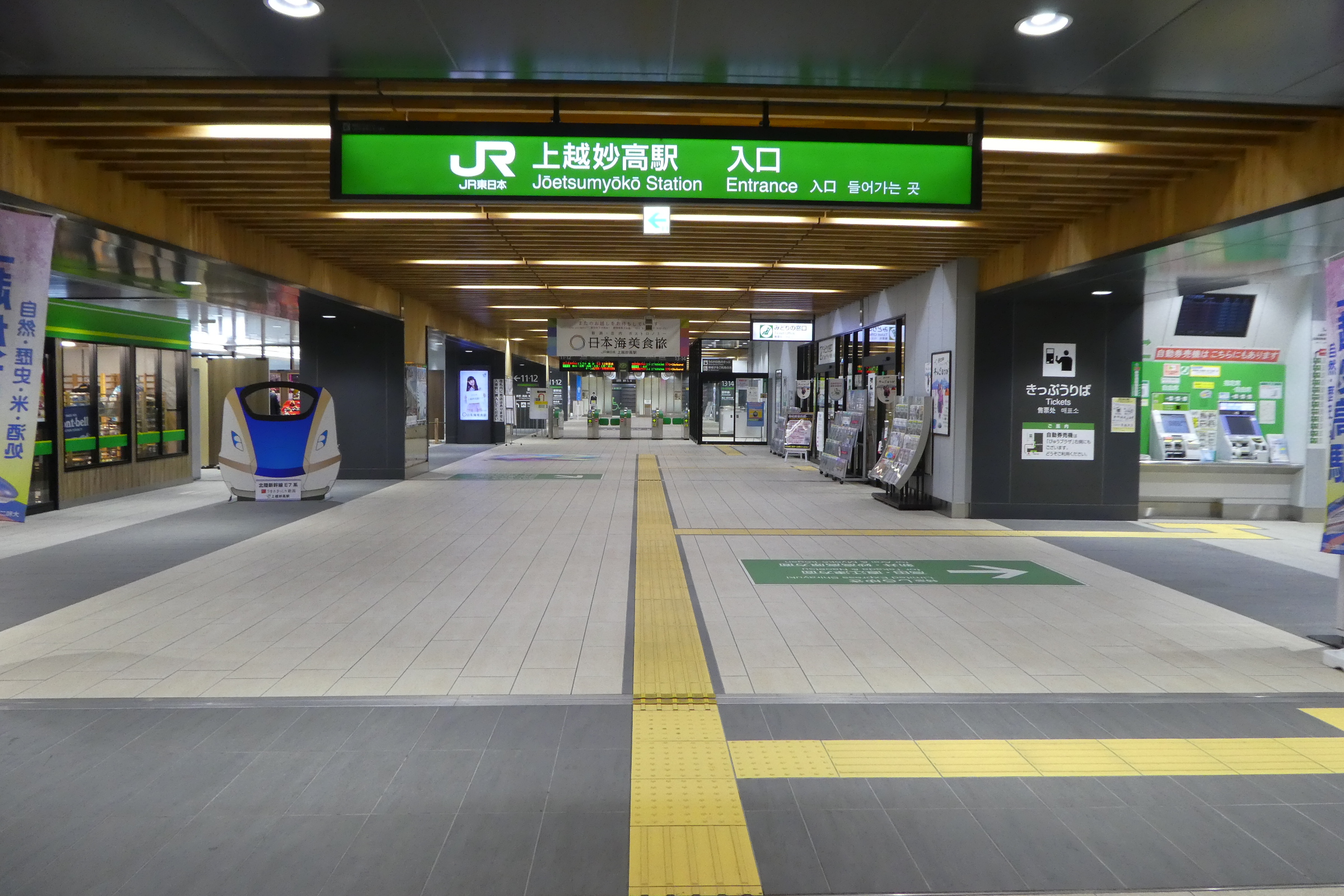
Myoko Kogen doesn't have its own shinkansen station the way Gala Yuzawa does, so getting there from Tokyo takes one extra step: a shinkansen ride to Joetsu-Myoko Station, then one of two ways to cover the final stretch into the resorts. Here's exactly how both work, and which one suits your trip.
Once you're there, Canyons runs English-speaking ski and snowboard lessons across the Myoko area for all levels.
Step 1: Tokyo to Joetsu-Myoko Station by Shinkansen
From Tokyo Station, take the Hokuriku Shinkansen (Kagayaki or Hakutaka services) towards Kanazawa and get off at Joetsu-Myoko Station. The journey takes roughly 1 hour 50 minutes on a direct Kagayaki service — check the timetable when booking, since not every train stops at Joetsu-Myoko. If you hold a Japan Rail Pass, the Hokuriku Shinkansen is covered on the sections used for this route.
Step 2: Two Ways Onward from Joetsu-Myoko
From Joetsu-Myoko, you have a choice, and it mostly comes down to which resort you're headed to.
By local train (best for Akakura): the Echigo Tokimeki Railway runs from Joetsu-Myoko to Myoko-Kogen Station in about 35 minutes (roughly ¥790, one train an hour, not covered by the JR Pass). From Myoko-Kogen Station, a short bus or taxi (10–15 minutes) covers the last stretch to Akakura Onsen and Akakura Kanko. This is the more frequent, rail-first option if Akakura is your destination.
By shuttle bus (best for Suginohara, or if you want one direct ride): the "Myoko Kogen Liner" runs from the station's east exit directly to Akakura Onsen, Akakura Kanko, Landmark Myoko Kogen, and Suginohara, via the Arai roadside station. Fare is up to 1,300 yen one way, but it only runs around two round trips a day, so it suits travellers whose arrival time already lines up with the timetable — or anyone headed to Suginohara, which the local train doesn't reach as directly.
Local buses and taxis from Joetsu-Myoko Station are also available if neither option's timing works for you.
Is There a Direct Train to Myoko?
Not a single through-train, no — you always change at Joetsu-Myoko. But if Akakura is your destination, you can get almost all the way there by rail: Hokuriku Shinkansen to Joetsu-Myoko, then the Echigo Tokimeki Railway local line to Myoko-Kogen Station, with only a short 10–15-minute bus or taxi left for the final mile. This is different from Gala Yuzawa, which has its own shinkansen platform right at the resort, so budget a bit more total travel time for Myoko either way.
Total Travel Time & Cost
Shinkansen (Tokyo → Joetsu-Myoko): around 1 hour 50 minutes, roughly ¥8,000–¥9,000 one way depending on the service and reserved/non-reserved seating.
Local train + taxi/bus to Akakura: about 35 minutes on the Echigo Tokimeki Railway (¥790) plus 10–15 minutes by taxi or bus into the village.
Myoko Kogen Liner bus to any resort: around 30–45 minutes depending on the stop, up to 1,300 yen one way.
Door to door: budget around 3.5–4 hours total from central Tokyo to the lifts, once you factor in getting to Tokyo Station, the transfer at Joetsu-Myoko, and waiting time between connections.
Alternative: Renting a Car
If you're travelling with a group or a lot of gear, picking up a rental car at Joetsu-Myoko Station and driving the rest of the way gives you flexibility that the train and bus timetables don't. Winter driving in Niigata requires proper winter tyres and some experience with snow conditions, so this suits confident drivers more than first-timers.
Myoko Access FAQ
How long does it take to get from Tokyo to Myoko?
Around 3.5–4 hours door to door: about 1 hour 50 minutes on the Hokuriku Shinkansen to Joetsu-Myoko Station, plus 30–45 minutes on the connecting train or bus, plus getting to Tokyo Station and waiting time between connections.
Should I take the local train or the shuttle bus from Joetsu-Myoko?
If you're headed to Akakura, the Echigo Tokimeki Railway local train to Myoko-Kogen Station runs hourly and is the more frequent option. If you're headed to Suginohara, or your arrival happens to match its schedule, the Myoko Kogen Liner shuttle bus is more direct.
Which shinkansen station do I need for Myoko?
Joetsu-Myoko Station on the Hokuriku Shinkansen line. It's the closest shinkansen stop to the Myoko Kogen resorts, though it isn't right at the resort itself.
Can I use a Japan Rail Pass for this route?
The Hokuriku Shinkansen leg to Joetsu-Myoko is covered by a valid JR Pass. Neither the Echigo Tokimeki Railway local line nor the connecting bus is covered, since both are operated separately from JR.
Booking Lessons Once You Arrive
Once you've made it to Myoko, Canyons instructors teach English-language lessons across the area, including at Akakura and Suginohara. See the Myoko snowsports school page for lesson options and booking.
What to Pack for Travel Day
A day bag for the transfer: you'll be moving between train and bus, so keep valuables and snacks accessible rather than buried in checked luggage.
Cash for the local train and bus fare: smaller rural operators in Niigata don't always take IC cards, so carry yen for both the Echigo Tokimeki Railway and the Myoko Kogen Liner.
Ship your gear ahead if you can: or skip the hassle entirely and arrange skis or a board through PURE JOY rentals before you go, so you're not managing luggage and equipment through two changes.
Related Guides
Once you've arrived, see our Akakura Ski Resort Guide and Suginohara Ski Resort Guide, browse our roundup of Myoko's top ski resorts, or check out what to do in Myoko beyond skiing for your first rest day.