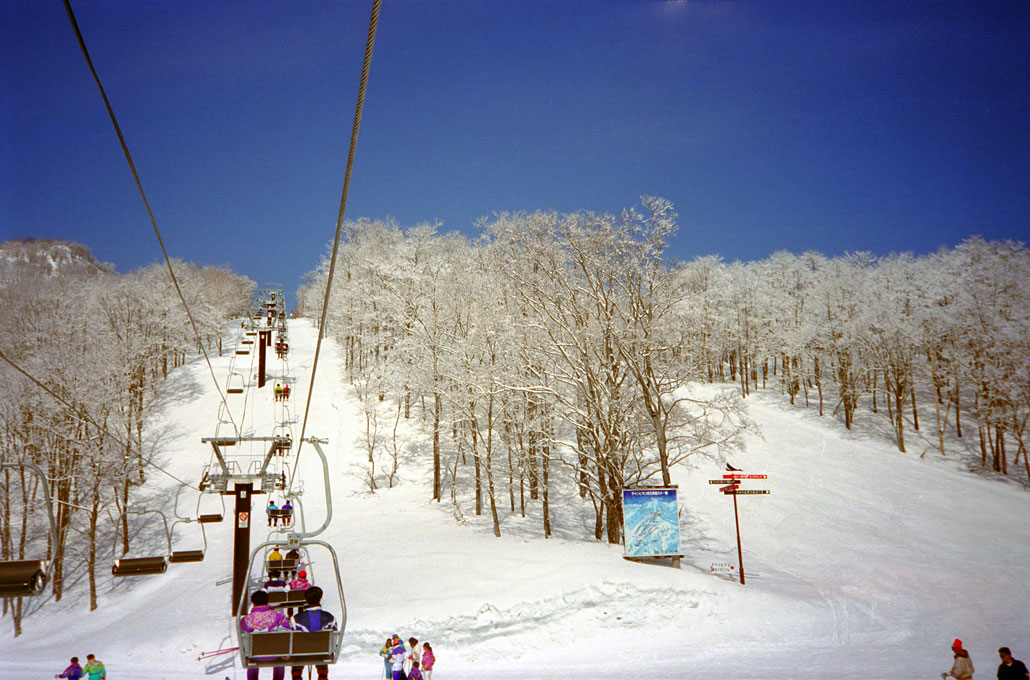
Akakura Ski Resort Guide | Canyons Japan
Akakura is one of Myoko Kogen's original ski towns, and what most people call "Akakura" is actually two connected resorts — Akakura Onsen and Akakura Kanko — each with its own character. Akakura Onsen holds the steepest run in central Japan and is the only spot in Myoko with night skiing, while Akakura Kanko, one of Japan's first European-style resorts, offers gentler, more open terrain right by its own hot spring.
Canyons runs English-speaking ski and snowboard lessons across the Myoko area, including at Akakura, for all levels.
Who Akakura Suits Best
Because Akakura is really two resorts, it suits a wide range of riders. Akakura Kanko's wider, gentler pistes work well for beginners and families, while Akakura Onsen's steeper upper terrain and night sessions reward intermediate and advanced riders who want more of a challenge after the lifts close elsewhere. Anyone staying in the historic Akakura Onsen hot spring town will also appreciate being able to walk straight from their ryokan to the lifts.
Two Resorts, One Name: Akakura Onsen & Akakura Kanko
Akakura Onsen dates back to a hot spring town founded in 1816, and its ski area is known for central Japan's steepest run along with Myoko's only night skiing. Akakura Kanko, opened in 1937 as one of Japan's earliest European-style resorts, sits alongside it with wider, more forgiving pistes. The two areas are connected, so it's common to ride between them over the course of a day. Between them, the combined Akakura area offers roughly 20km of runs served by around 20 lifts.
Night Skiing at Akakura Onsen
Akakura Onsen is the only ski area in the Myoko region that runs night sessions, lighting up part of its lower terrain after the sun goes down. It's a good option if you want to extend a travel day or simply prefer riding when the slopes are quieter.
Getting to Akakura
Take the Hokuriku Shinkansen from Tokyo to Joetsu-Myoko Station (around 1 hour 50 minutes), then the "Myoko Kogen Liner" shuttle bus from the station's east exit directly to Akakura Onsen and Akakura Kanko. For the full breakdown of routes, timing, and cost, see our guide to getting to Myoko from Tokyo.
Lift Tickets & Season
Akakura's season typically runs from December through late March or early April. Many lift tickets cover both Akakura Onsen and Akakura Kanko, so it's worth checking whether a combined pass is available before buying separately at each base.
Facilities & Dining
Both base areas have their own rentals, lockers, and food options, and Akakura Onsen's base sits right inside the hot spring town, so there are ryokan, izakaya, and public bath options within easy walking distance — a rarer setup than most Myoko resorts.
Akakura FAQ
What's the difference between Akakura Onsen and Akakura Kanko?
Akakura Onsen has steeper terrain, central Japan's steepest run, and Myoko's only night skiing, plus a historic hot spring town at its base. Akakura Kanko is the gentler, more beginner-friendly neighbour, opened in 1937 as one of Japan's first European-style resorts.
Can I ski both Akakura Onsen and Akakura Kanko in one day?
Yes — the two areas are connected, and it's common to ride between them, though it's worth checking your lift ticket covers both before you set off.
Is Akakura good for beginners?
Akakura Kanko's wider, gentler pistes are genuinely beginner-friendly. Akakura Onsen's upper mountain is steeper and better suited to intermediates and advanced riders.
Do I need a car to get to Akakura?
No — the Myoko Kogen Liner shuttle bus runs from Joetsu-Myoko Station's east exit directly to both Akakura resorts, though services are limited to a couple of round trips a day, so plan around the timetable.
Lessons & Guiding at Akakura with Canyons
Canyons instructors teach across the Myoko area, including at Akakura, with English-language lessons for beginners through advanced riders. See our Myoko snowsports school page for lesson options and booking, or head to the main Myoko page for the full overview of what Canyons offers in the area.
Akakura vs. Other Myoko Resorts
Akakura: night skiing and a historic onsen town at the base — best for riders who want variety and some nightlife alongside the slopes.
Suginohara: home to Japan's longest run — best for riders who want one long, scenic descent over technical terrain. See our Suginohara Ski Resort Guide.
Myoko Kogen area overall: for a wider comparison of every resort in the region, see our Myoko Kogen area guide.
What to Pack for Akakura
Goggles with a low-light lens: worth having if you're staying for a night session at Akakura Onsen.
Onsen essentials: a small towel for the public baths in Akakura Onsen town — most ryokan and bathhouses rent or sell one if you forget.
Rental gear sorted in advance: if you'd rather not travel with skis or a board, Go Myoko Rentals lets you arrange equipment ahead of your trip.
Canyons Insider Tips
Stay in Akakura Onsen town: basing yourself there means you can walk to the lifts and back to a hot spring afterwards, rather than commuting in each day.
Check the shuttle timetable first: with only a couple of Myoko Kogen Liner round trips a day, build your travel day around the bus rather than the other way around.
Save the steeper terrain for once you're warmed up: start on Akakura Kanko's gentler pistes before heading over to Akakura Onsen's steeper upper mountain.
Related Guides
Compare Akakura with the resort behind Japan's longest run in our Suginohara Ski Resort Guide, check our guide to getting to Myoko from Tokyo for full travel logistics, or browse our roundup of Myoko's top ski resorts for the wider area.