
MYOKO JAPAN
Myoko Kogen Ski Resorts Guide
Myoko Kogen in Niigata Prefecture, Japan, is one of the country's oldest ski regions: five resorts sharing the same mountain area, within the Myoko-Togakushi Renzan National Park — Akakura Onsen and Akakura Kanko are directly linked with a combined lift pass, while Suginohara, Ikenotaira, and Seki Onsen are separate resorts a short shuttle or drive away. For skiers and snowboarders of all levels, families, and travelers planning a winter trip, this guide explains how the Myoko Japan region works, breaks down each resort so you can choose the right base and terrain, and covers access from Tokyo, hot springs, and practical details like English-speaking lessons with Canyons, lift passes, rentals, insurance, and booking. With around 14 metres of snowfall each winter, Myoko has earned its reputation as a powder paradise and remains one of Japan's most compelling places to ski or snowboard.
Already know which resort you want? See our guide to where to stay and eat in Myoko for accommodation by budget tier, dining, nightlife, and onsen culture across Akakura Onsen, Ikenotaira, and Suginohara.
Akakura Onsen

Akakura Onsen Ski Resort is one of the largest and most popular resorts in the Myoko area, and Akakura Onsen Village is the main village base for this resort area. With a wide variety of runs, it caters to all ability levels, from first-timers to advanced skiers and snowboarders. The resort is linked with neighbouring Akakura Kanko Resort, and a combined lift pass allows access to both ski areas. Along with Myoko Suginohara, it is one of the key ski resorts in the area, and Akakura Onsen is the most popular area for accommodation. Typical options include ryokan, pensions, and lodges. Many places to stay also have in-house onsen facilities. The area also has many hole-in-the-wall Japanese restaurants.
Read our full Akakura Ski Resort Guide for night skiing, access, and lift ticket details.
Akakura Kanko

Nestled mid-mountain, the renowned Kanko Hotel provides direct access to the slopes for a true ski-in, ski-out stay. Akakura Kanko Ski Resort, established in 1937 and one of Japan's oldest established ski areas, is seamlessly connected to Akakura Onsen, and visitors can purchase a combined lift pass to explore both areas. With a wide variety of runs, the resort accommodates everyone from first-timers to seasoned skiers and snowboarders.
See our Akakura Ski Resort Guide for the full comparison with Akakura Onsen.
Ikenotaira
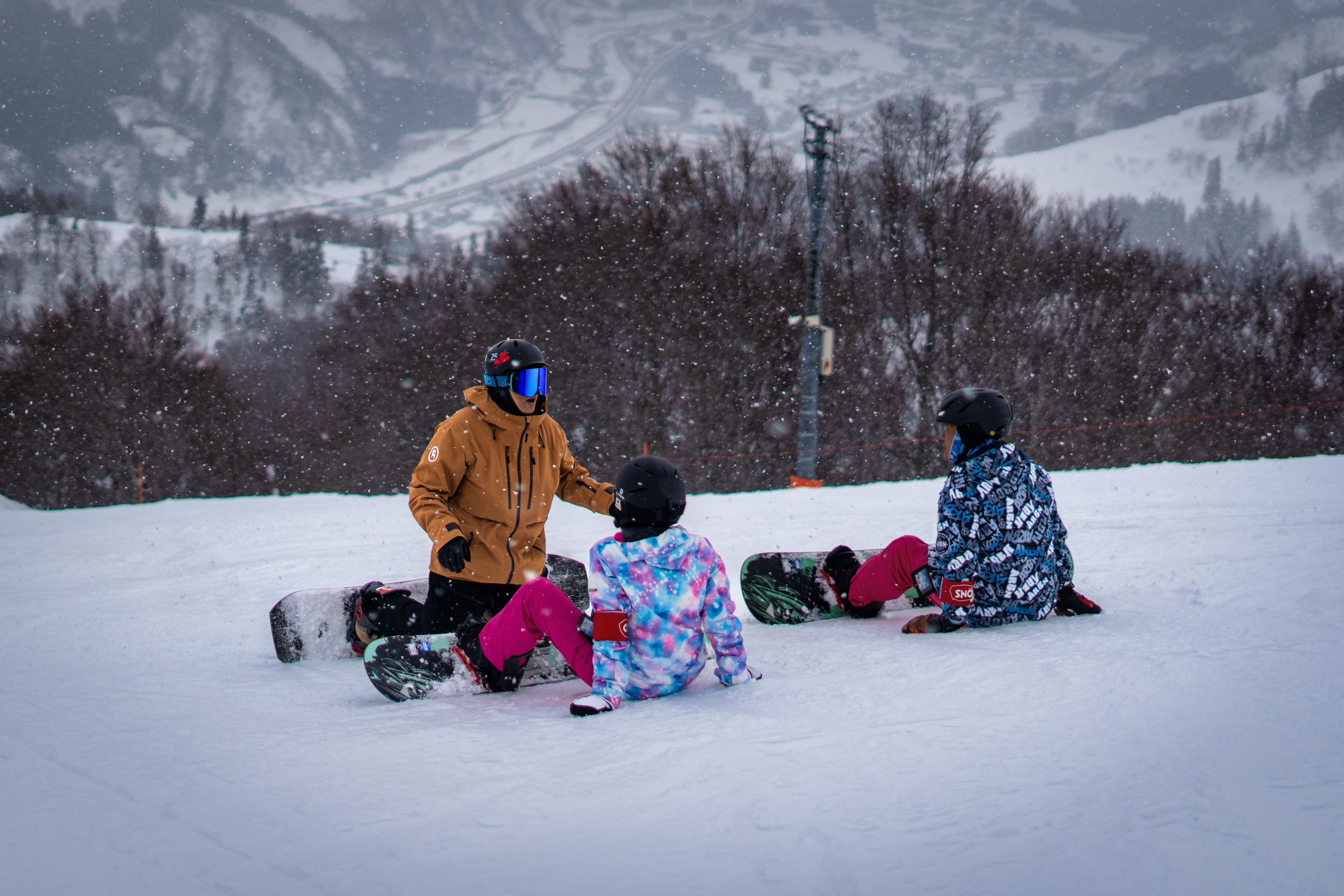
Ikenotaira Onsen (Alpen Blick) is a laid-back, family-friendly ski resort in Myoko that appeals to families, famous for its deep powder, wide open terrain, and one of Japan's top terrain parks. The resort offers something for every level from gentle, beginner-friendly slopes to ungroomed tree runs for more advanced riders.
Learn more about Ikenotaira Onsen here, one of the Myoko ski areas suited to mixed-ability groups.
Suginohara

Suginohara Ski Resort boasts one of the longest ski runs in Japan, stretching over 8.5km of scenic terrain on the slopes of Mount Myoko. With stunning views of Lake Nojiri, Mt. Myoko, and the surrounding valley, high-quality snow, and wide, well-groomed trails, plus the chance to head high up the mountain before descending the resort's long vertical and some steep sections for stronger riders, it's a top destination for intermediate and advanced skiers and snowboarders. The resort also features tree runs, a terrain park, and high-speed lifts, offering something for every snow enthusiast.
Read our full Suginohara Ski Resort Guide for the Dynamic Course, access, and lift tickets.
Seki Onsen

Seki Onsen Ski Resort is a small, family-run powder haven known for some of the heaviest snowfall in Japan often receiving 14 to 16 metres per season, With just two lifts serving four often ungroomed runs (20 % beginner, 50 % intermediate, 30 % advanced), it's a paradise for advanced skiers and snowboarders seeking untouched powder and genuine backcountry terrain.
Learn more about Seki Onsen here. Visitors also consider Lotte Arai Resort for luxury accommodation in Myoko and advanced powder-focused trips, and a private tour can be a flexible add-on in the wider area.
History of the Myoko Kogen Ski Area
The name Myoko comes from Buddhist culture — 'holy mountain standing at the centre of the universe' — and the area is a mountain region shaped by Mount Myoko and the surrounding mountain range. It offers skiing and other winter sports in a cool climate that brings heavy snowfall, while summer brings hiking around Mt. Myoko, making Myoko Kogen an enduring Japanese mountain destination rather than only a winter base. The main ski resorts of the Myoko Kogen network, among the largest ski areas in Japan, were first used in 1911, and Akakura Onsen was established in the 1930s as Japan's first international mountain resort. That makes Myoko Kogen one of the oldest ski areas in the world, and a traditional retreat once favoured by Japan's imperial family.
Access Information
Reaching Myoko Kogen Ski Resort is simple and convenient, with the area within easy reach of Tokyo whether you're travelling by train or car. The fastest way is by bullet train (Shinkansen) from Tokyo to Nagano Station in Nagano City, taking about 100 minutes on the fastest approach. From there, it's a direct 40-minute local train to Myoko-Kogen Station, with several resorts in close proximity to one another. Shuttle buses and taxis are available to take you to the nearby ski resorts, including Akakura Onsen, Akakura Kanko, and Suginohara — the Myoko ski resorts are a cluster of separate ski areas rather than one single resort. Nozawa Onsen is another well-known resort area farther south in Nagano, but it is not part of the Myoko cluster.
The peak season for skiing runs from December to March, and January typically brings the deepest snow. If you're driving, expect to take the Joshinetsu Expressway and exit at Myoko-Kogen I.C. All major ski resorts in the area offer on-site or nearby parking, though fees may apply during weekends and peak periods.
There's also a route via Joetsu-Myoko Station on the Hokuriku Shinkansen — see our full guide to getting to Myoko from Tokyo for a full breakdown of both routes, timing, and cost.
Ski & Snowboard Rental
If you need gear, GoMyoko (external) rents quality ski and snowboard equipment right in Akakura Onsen, from beginner-friendly setups to premium powder skis, plus a full range of kids' gear. Renting in the village means you can walk straight from your accommodation to the shop and on to the lifts.
Beyond the Slopes
Myoko isn't only about resort skiing — it's also one of Japan's notable hot spring destinations, and the same terrain and snowfall, fed by weather systems rolling in from the sea, make it a genuine snowshoe destination. Its many baths vary in mineral qualities and even colour. Scenic spots like Imori-ike Pond add another easy reason to explore beyond the slopes, and Naena Falls is a worthwhile sightseeing stop. Regional specialties include Hegi soba noodles made with seaweed and Kanzuri, a traditional fermented chili condiment unique to Niigata. See what to do in Myoko beyond skiing for snowshoe tours, onsen recommendations, and day trips further afield.
Backcountry Skiing in Myoko
Myoko's heavy snowfall and varied terrain make it a genuine backcountry destination, not just a resort with a few off-piste runs. Japan Snow Adventures, Canyons' backcountry touring arm, runs guided ski and snowboard tours into the Myoko high alpine for confident intermediate-to-advanced riders looking to go beyond the lift-served terrain.
Myoko Japan FAQ
Where is Myoko?
Myoko Kogen is in Niigata Prefecture, in the Myoko-Togakushi Renzan National Park, on the northern edge of the Japanese Alps facing the Sea of Japan. It's one of Japan's oldest and snowiest ski regions, with ski fields dating back to 1911.
When does Myoko Kogen ski resort open?
Most Myoko resorts run from early-to-mid December through late March or early April, depending on snowfall that season. Exact opening and closing dates vary slightly by resort, so it's worth checking the specific resort's site closer to your trip.
How far is Myoko from Tokyo?
Around 180–200km, roughly 2.5–3 hours door to door. The fastest route is the Hokuriku Shinkansen to Joetsu-Myoko or Nagano Station, followed by a local train or shuttle bus for the final stretch. See our full guide to getting to Myoko from Tokyo for the complete breakdown.
Where should I stay in Myoko?
Options range from traditional ryokan and hot-spring hotels in Akakura Onsen town to Western-run lodges and hostels aimed at international visitors. Staying in Akakura Onsen puts you within walking distance of both the lifts and the public baths.
Where can I eat in Myoko?
Akakura Onsen village has the widest choice, from ramen and yakiniku spots to Western-style cafés and bars. Most other Myoko base areas have simpler on-mountain dining, so Akakura is the best bet for a proper night out.
Need more Information?
Book English-speaking lessons:
See our Myoko Ski & Snowboard Lessons page for lesson options and booking with Canyons Myoko.
Find answers to common questions in our FAQs
Not sure about your ski or snowboard level?
Check our ability level guide to find the right lesson for you
Insurance:
The price of the lesson does not include accident insurance. Please obtain travel insurance to cover snowsports and all participants. We recommend ALL lesson participants have travel insurance.
Lift passes and rental:
Lift tickets and rental are not included in the price and are to be prepared before the lesson start time.
Ready to book?
Submit your booking request here
Please feel free to contact us with any other questions you may have and we will be happy to help at myoko@canyons.jp